
Community Choir Concerts and Rehearsals
Join local singers in classical, contemporary, and folk arrangements. Regular rehearsals welcome all experience levels.
Why Join a Community Choir?
There’s something magical about blending your voice with thirty other people. You’re not alone in that feeling — community choirs across the Czech Republic are thriving, especially among singers aged 40-60 who want more from their lives than just listening to music.
A community choir isn’t like joining a gym or a book club. It’s a commitment, sure, but it’s also a space where you’ll actually grow as a musician. You’ll learn proper breathing techniques, discover how to hit notes you didn’t think were possible, and — honestly — you’ll make genuine friends in the process. Most people who’ve been singing with their choir for a year say they can’t imagine their week without rehearsals.
The best part? You don’t need to read music fluently or have perfect pitch. What you do need is a willingness to show up and try. That’s genuinely it.

How Rehearsals Work
Most community choirs meet twice weekly — typically Tuesday and Thursday evenings, with sessions running 90 minutes. That’s longer than you’d think, but the time flies when you’re working on pieces you actually care about.
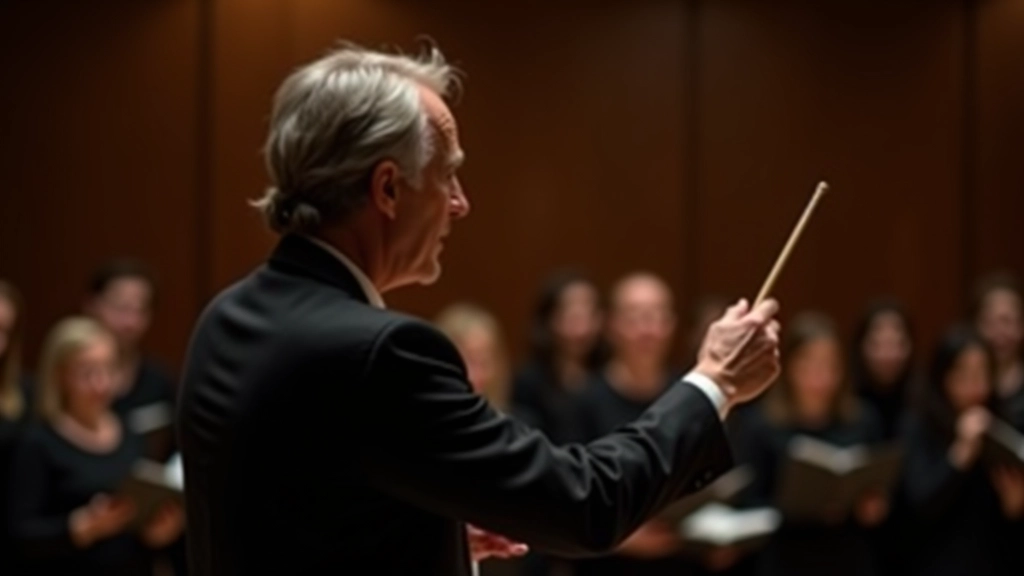
A typical rehearsal breaks down like this: first 20 minutes is warm-up and vocal technique. You’re not just singing scales mindlessly. Your director teaches proper diaphragm breathing, how to project without straining, and ways to blend your voice with others. Then you’ll spend about an hour on repertoire — the actual pieces your choir’s performing. The last 10 minutes is usually a full run-through of one or two pieces.
Between rehearsals, you’re expected to practice on your own — maybe 20-30 minutes three times a week. It’s not excessive. There are online recordings of your voice part so you can hear exactly what you should be singing. Most singers find they don’t mind the practice because the pieces are genuinely interesting.
What You’ll Actually Sing
Don’t expect to spend months on one piece. Community choirs rotate through material, and what’s on your schedule depends on the season and your director’s vision.
Spring concerts typically feature lighter fare — contemporary pop arrangements, folk songs from different countries, maybe some Baroque pieces. Summer programs lean into outdoor performances with crowd-pleasing standards. Autumn brings heavier classical work: shorter movements from Brahms or Mendelssohn. Winter is almost always about holiday music, though good directors mix traditional carols with unexpected modern interpretations.
The variety matters. It keeps rehearsals interesting and lets you discover which musical periods resonate with you. Some singers walk in thinking they’ll hate classical music and leave as passionate Vivaldi fans. Others come for the contemporary arrangements and discover a deep love for Renaissance motets.
Concert Schedule and Performance Opportunities
Most community choirs perform 4-6 times per year. That sounds like a lot, but spread across twelve months it’s manageable. You’ll have roughly two months of focused rehearsal leading up to each concert, which is enough time to feel genuinely prepared without the stress feeling unbearable.
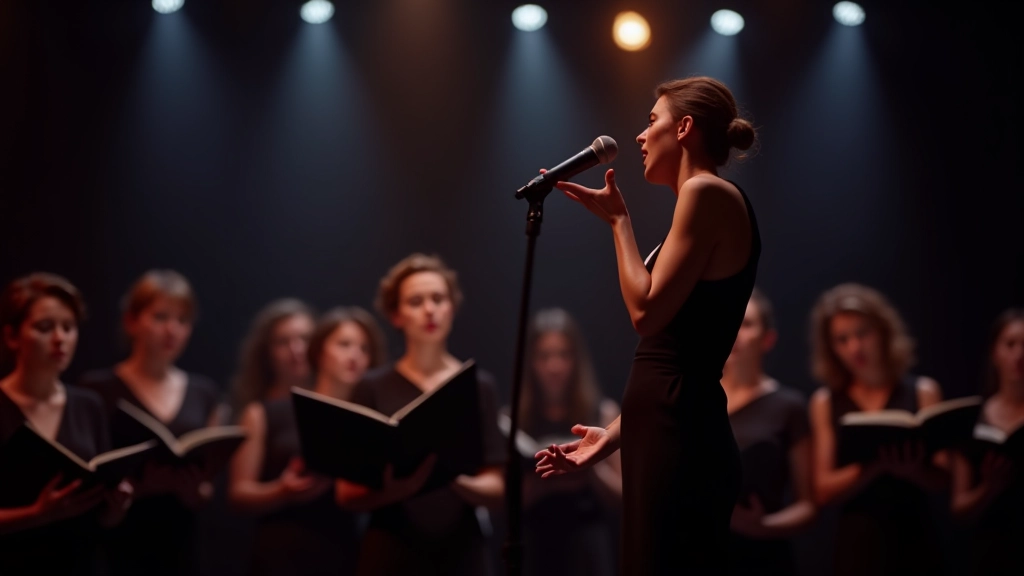
Performances happen in diverse venues — concert halls, churches, community centers, outdoor parks during summer festivals. Some choirs partner with orchestras for special events. Others collaborate with local theater productions. A few even tour, traveling to neighboring countries for cultural exchange performances.
First-time performers often feel nervous before their debut concert. That’s completely normal. But here’s what veterans will tell you: the moment you step on stage and hear that first chord blend together, the anxiety evaporates. You’re part of something bigger than yourself. The audience’s reaction afterward — the applause, the people coming up to say how moved they were — that’s the payoff for all those Tuesday and Thursday evening rehearsals.
Getting Started: What to Expect
Attend an Open Rehearsal
Most choirs invite newcomers to sit in on a rehearsal before committing. You’ll see how things run, meet the director, and get a feel for the group’s dynamic. No audition, no pressure — just observation.
Quick Voice Assessment
If you decide to join, you’ll have a brief 10-15 minute session with the director. They’re not judging your talent — they’re finding out which voice part (soprano, alto, tenor, bass) suits you best. This matters because proper placement makes singing easier and more enjoyable.
First Full Rehearsal
You’ll stand with your voice section, receive sheet music, and learn the fundamentals of your assigned pieces. Don’t worry about perfection — you’ll be learning alongside people who started exactly where you are now.
Build Your Skills Gradually
Over weeks and months, you’ll develop confidence. Your ear will improve. You’ll find yourself singing passages that seemed impossible during week one. Most singers say they feel genuinely accomplished by their first concert.
Ready to Find Your Voice?
Community choirs across the Czech Republic are actively recruiting singers. Whether you’re in Prague, Brno, or smaller cities, there’s likely a choir looking for people like you. Most welcome singers of all levels and many offer free trial rehearsals.
Explore More Live Music EventsDiscover More Live Music



Important Information
This article provides general information about community choirs, their structure, and how to get involved. Specific rehearsal times, locations, and program details vary by choir and region. We recommend contacting individual choirs directly to confirm current schedules, membership requirements, and any associated costs. The experience of joining a community choir can vary based on the director, the specific choir’s culture, and your personal musical background. All statements about benefits and experiences represent common outcomes reported by participants but aren’t guaranteed for every individual.